Resource &
Knowledge Center
Focus on Dairy Ingredients

Back to the Basics: Ingredients derived from Milk
When ADPI’s predecessor organization the American Dry Milk Institute was founded in 1925, a group of dry milk manufacturers came together with a mutual purpose of serving the needs and interests for the development and growth of a dry milk industry.
Today, ADPIAmerican Dairy Products Institute More has close to 20 published standards for ingredients derived directly from milk (not wheyLiquid obtained from cheese manufacture. More). Through various types of processing, these ingredients–ranging from milk proteins, carbs, colostrumMilk that comes from cows within 48 hours of giving birth. Colostrum is a concentrated source of biologically active compounds that are needed to promote the health and growth of the calf. More and minerals–are central to the growth of dairy ingredients as a whole, and provide a nutrient dense option for a vast array of applications.
Utilize the resources below to learn more about ingredients from milk!

Spotlight on Ingredients
Going back to our roots at ADPIAmerican Dairy Products Institute More, let’s highlight dried dairy ingredients and how we can continue to drive the use of these ingredients worldwide. It is important to highlight that these original, clean label dairy ingredients have fed generations, providing much-needed nutrition for all ages and stages.

- Milk Protein Concentrate (MPC)Produced by filtation methods (ultrafiltation and diafiltration) which captures essentially all of the casein and whey proteins contained in the raw material stream in the finished product, resulting in a casein-towhey protein ratio equivalent to that of the original milk, generally 80:20. MPC has a protein content between 40 – 89.5% (ADPI definition). More and Milk Protein Isolate (MPI)Produced by filtation methods (ultrafiltration and diafiltration) which captures essentially all the casein and whey proteins contained in the raw material stream in the finished product, resulting in a casein-to-whey protein ratio equivalent to that of the original milk, generally a value of 80:20. MPI has a minimum protein content of 89.5% (ADPI definition). More have a casein-to-whey protein ratio equivalent to that of the original milk, generally 80:20
- Micellar CaseinDry form of microfiltered (MF) milk. A portion of the whey proteins have been removed so that the casein to whey protein ratio is no longer the 80:20 ratio typical in milk. Ratio of casein to whey proteins typically ranges between 82:18 and 95:5. Product may also be referred to as native phosphocasein. More is the dry form of microfiltered milk with a casein-to-whey ratio between 82:18 and 95:5
- Milk proteins have high heat stability and hydration rate, making them ideal for ESLExtended shelflife More beverages and more
- Nutritionally, MPCMilk protein concentrate More is the highest quality protein available (behind whole milk) with a DIAAS score of 1.18 and PDCAAS score of 1.00

Dry Milks: Full Fat and Reduced Fat
- Milk powders are the products resulting from the removal or partial removal of water from fluid, pasteurized milk
- Each powder varies in its protein and fat content and can typically be used in applications in place of fluid milk
- Dry Whole Milk (DWM)Product resulting from the removal of water from pasteurized milk and contains by weight not less than 26%, but less than 40% milk fat and not more than 5% by weight moisture. It contains lactose, milk proteins, milk fat and milk minerals in the same proportions as the milk from which it was made (CFR definition). More and Whole Milk Powder (WMP) are essentially the same, with WMP being standardized at 34% protein on an international level
- Reduced Fat Milk PowderProduct resulting from the partial removal of fat and water from pasteurized milk. The fat and/or protein content of the milk may have been adjusted, only to comply with the compositional requirements below, by the addition and/or withdrawal of milk constituents in such a way as not to alter the whey protein to casein ratio of the milk being adjusted (ADPI definition). More is dry milk with a fat content ranging from 1.50-25.99% fat, so an option between full fat powders and Nonfat/Skim.
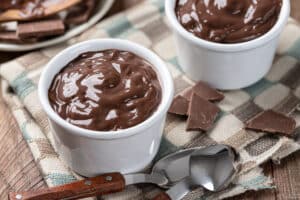
Dry Milks: Skim and Nonfat
- Milk powders are the products resulting from the removal or partial removal of water from fluid, pasteurized milk
- Each powder varies in its protein and fat content and can typically be used in applications in place of fluid milk
- Nonfat Dry Milk (NDM) and Skim Milk Powder (SMPSkim milk powder More) are essentially the same ingredient; NDM’s protein content varies between 34-37% while SMPSkim milk powder More is standardized at 34%

Dry Buttermilk and Dry Buttermilk Product
- Dry Buttermilk contains at least 30% protein while Dry Buttermilk Powder contains less than 30% protein
- Buttermilk powders are a great way to bring additional protein and fatsOrganic compounds that are combinations of alcohols and acids. Fats contain carbon, oxygen and hydrogen and have a glycerol backbone with fatty acids attached. Fats are not soluble in water but are soluble in organic solvents such as ether and alcohol. More to products
- Buttermilk powders bring good heat stability and emulsification properties to applications like soups and mixes
- They are also a great addition to many dairy-based products like cheese products, bakery products and snack foods, bring a clean label ingredient
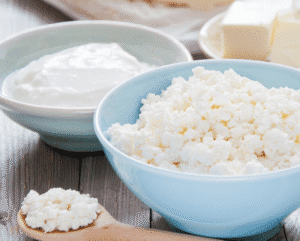
Dairy Ingredient Application Guides
Upcoming Events
Check out these upcoming events focusing on dairy ingredients.
Need expert advice?

For ADPIAmerican Dairy Products Institute More members: take advantage of our Center of Excellence! If you have specific questions, reach out to one of our subject matter experts today for consulting.

Areas of Expertise:
- Functionality and Applications
- Training and Development
- Product Development

Areas of Expertise:
- Product Standards
- Manufacturing Operations
- Applied Scientific Expertise

Areas of Expertise:
- Dairy Processing
- Processing & Equipment
- Dairy Chemistry
- Applied Research